In this checklist
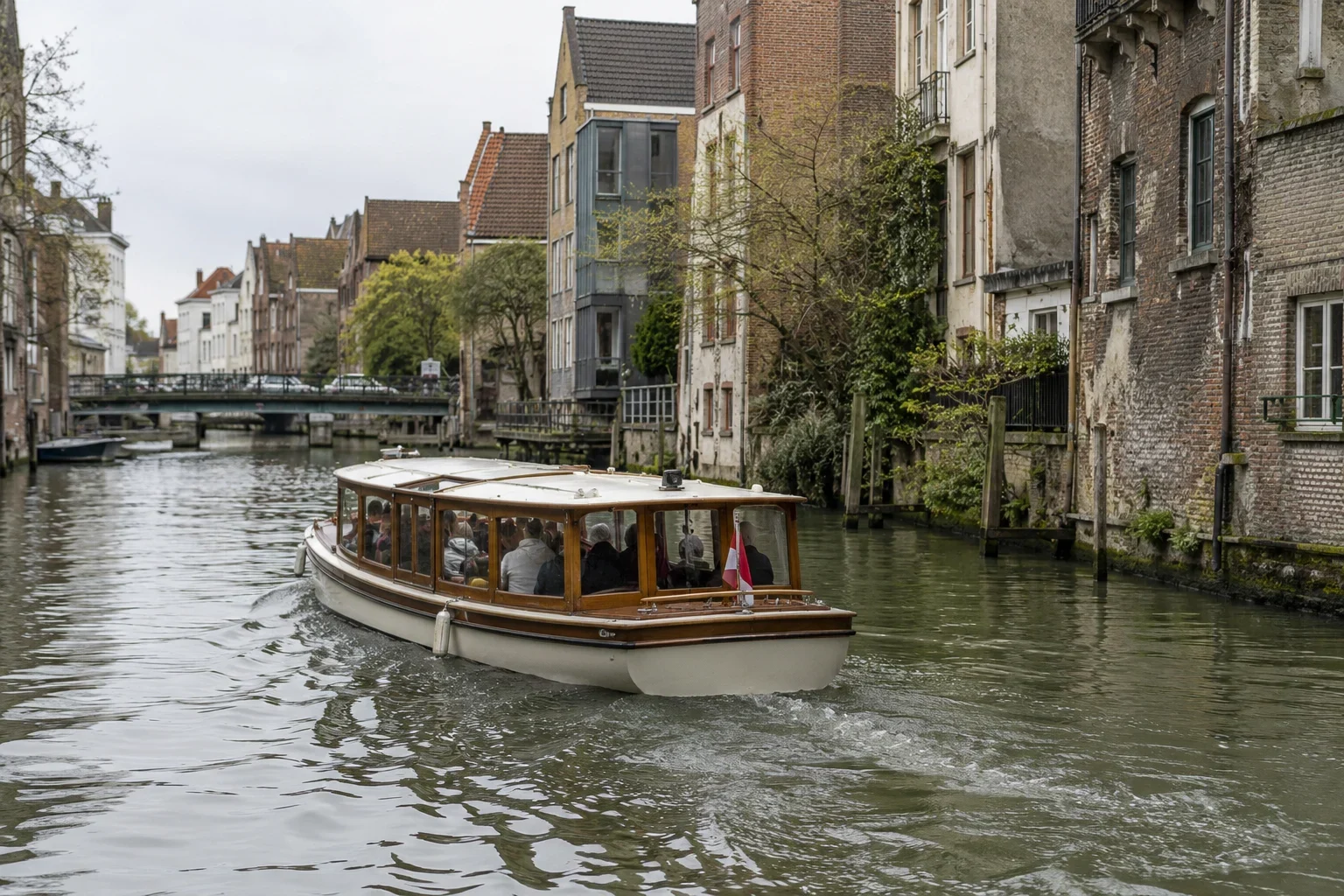
To prepare for a journey on Hangzhou’s Grand Canal, choose your intended arrival point first. Then establish which service permits you to get off there, which direction you need, and where to board. Settle those details before making the boat journey the fixed point of your day.
Use this checklist to gather the current information needed for a booking or visit to the pier. Older route descriptions and reported fares are starting leads; your travel plan needs details that apply to your chosen departure. Decide whether your priority is reaching a destination, spending time on the water, or combining a boat journey with a walk, and use that purpose to guide the checks below.
Choose between a public water bus and a sightseeing cruise
Begin with the outcome you want. If you need to reach another place, the essential question is whether the specific departure allows you to leave at your intended stop. If the boat ride is the main activity, focus on the itinerary, finishing point and ticket inclusions.
A service label alone does not establish boarding rights, reservation requirements or return travel. Compare the actual journey offered before choosing.
| Planning question | Public water bus: what to establish | Sightseeing cruise: what to establish |
|---|---|---|
| Can it take me where I want to go? | Whether the departure serves your intended landing | Whether the itinerary permits you to leave there |
| Can I join partway along? | Which stops permit boarding | Whether intermediate boarding is available |
| How does the journey finish? | Where you can alight and arrange onward travel | Where the excursion ends and whether it returns to its starting point |
| What secures my place? | Whether booking is required or available | Whether the ticket reserves a particular departure |
Include the journey to the departure point and travel from the final landing in your comparison. A suitable choice should fit the whole outing. Before committing, describe it in one sentence: the service, departure point, permitted destination and whether a return is included.
Match the route and direction to your destination
Work backward from the place you want to visit. Locate the destination, identify a possible landing, and establish whether a current service calls there. An attraction mentioned along an itinerary does not, by itself, establish a passenger stop.
Older accounts can help you form questions, but they cannot resolve today’s endpoints or intermediate stops. For background, consult Hangzhou’s official boat-excursion overview, then obtain the current stop information for the departure you are considering.
Keep these details together in one journey note:
- Service name and route identifier.
- Exact boarding stop.
- Direction or destination displayed for the departure.
- Confirmed stop where you intend to leave.
Check the sequence of stops as well as their names. Finding both places in a route description does not establish that your departure serves them in the required order.
The question to resolve is: “Can I board at this stop and leave at that stop on this departure?” If the answer remains unclear, keep the boat ride optional while planning how to reach your destination by land.
Find the correct pier and boarding entrance
Save both the pier name and the location of its passenger entrance. A map pin is useful for reaching the area; the final approach requires the entrance assigned to your service and direction.
Compare your journey note with the wording displayed at the boarding area. If spellings or translations differ, show the name supplied with the service information alongside its map location. A saved screenshot can make clarification easier without relying on pronunciation alone.
Before joining a queue, match the service and departure direction. If you encounter information for both water buses and sightseeing cruises, ask which entrance applies to your intended journey. Queue movement alone does not establish that you are in the right place.
Allow time to find the entrance after reaching the surrounding street. If your navigation ends at a broad waterfront area, resolve the remaining approach before treating the transfer as complete.
A useful question at this stage is: “Is this the boarding entrance and queue for this service?” Show your saved journey details so the answer concerns the departure you actually need.
Check departures and plan the return
Read departure information for your travel date, boarding stop and direction. Establish whether the times apply at your pier or refer to departures elsewhere. Distinguish a list of individual departures from an interval between boats; ask how to interpret the information if that is unclear.
Look for service notices affecting your chosen journey. If two notices conflict, establish which one applies before building a tight connection around the boat. Keep the relevant timetable available for comparison with information at the boarding point.
Build the day around the journey home
Plan the outward and return legs separately. Record the return boarding location, direction and final suitable departure. If returning by land, establish that connection before setting off.
Budget for each part of the outing: travel to the entrance, waiting, the boat journey, time ashore and onward travel. Use confirmed journey information where available and leave flexibility around uncertain elements. Do not calculate time ashore by subtracting the boat ride alone from your available day.
Choose a point during your walk or visit to reassess the return. Shorten the activity or switch to your land alternative if the connection becomes doubtful. Avoid making the final advertised departure your only workable way home.
Confirm fares, payment and booking requirements
Establish what the quoted fare covers before comparing prices. Ask whether it buys travel between specified stops, an excursion, or a return journey. Check whether the ticket applies to a particular departure and whether its conditions fit your intended use.
Clarify the purchase process in order: where you buy, whether you must reserve, and what you present before boarding. If you already have a booking, ask whether anything must be collected or exchanged. Establish whether purchase and boarding validation are separate steps for your service.
Ask about the payment method you actually intend to use. Name the card, app or cash rather than asking only whether payment is convenient. Having used a method elsewhere does not establish that it will work at this purchase point.
For a group, find out whether each passenger needs an individual ticket and whether child or concession fares apply. Ask what evidence is required for any concession you intend to claim.
Before paying, review the travel date, departure point, direction and passenger details together. If your plans may change, establish the applicable change, cancellation and missed-departure conditions. Keep the booking confirmation or ticket information accessible for the boarding process described to you.
Check boarding arrangements for your group
Describe your group’s needs precisely when asking about boarding. Useful details include whether someone needs a step-free approach, whether a wheelchair must remain occupied, whether a stroller folds, and the approximate size of luggage. Specific questions help you obtain an answer relevant to your journey.
For wheelchair users or anyone with limited mobility, examine the entire connection: street to boarding area, entry to the vessel, exit at the destination, and access to onward transport. Ask whether steps, gaps or other obstacles affect either end. Establish what assistance is available and whether it needs arranging in advance.
For children, strollers and luggage, ask about the applicable carriage and boarding requirements. Decide how your group will manage bags and stay together while boarding.
Also resolve what happens if the next boat cannot accommodate everyone. Ask whether you would wait, need another reservation, or use another option under the ticket conditions. Do not assume that arriving together guarantees travelling together.
If a necessary arrangement remains unresolved, choose an alternative whose suitability you can establish for everyone in the group.
Combine a boat journey with a canalside walk
The canal corridor’s cultural features include historic street blocks and museums. Choose a place that interests you, then establish its walking connection with a confirmed landing. Its presence along the corridor does not establish proximity to any particular pier.
Choose a walk with a clear finishing point
Select one manageable area to explore and decide where your walk will end. Trace the actual pedestrian route, including crossings and the connection to onward transport. Judge its length against your group’s pace and the time available ashore.
If a museum is central to the outing, check its opening and entry arrangements separately. Keep another activity optional so the day does not depend entirely on admission.
Two useful planning patterns are a boat journey followed by a walk and departure by land, or a walk that finishes at a confirmed boarding entrance. Choose the first if you want flexibility after landing. Choose the second only when your walking plan leaves enough time to reach the entrance and prepare for departure.
Keep extra stops optional. A single walk with a clear endpoint is easier to adjust than several visits tied to successive transport connections.
Connect with metro or road transport
Choose a metro station or bus stop by tracing its actual walking connection to your selected boarding entrance. Check the useful exit or approach rather than relying on the nearest map label. Repeat the exercise from your arrival landing to your next destination.
Treat transport suggestions in older accounts as leads to investigate. Establish whether the suggested station, stop and pedestrian approach fit the entrance you intend to use. Include the walk and time needed to find the boarding area when assessing the transfer.
For a taxi or other road pickup, choose an identifiable meeting point and establish where collection is permitted. Save that location separately from the landing name so you can communicate the intended pickup point clearly.
Prepare a land alternative connecting your actual starting point with your intended destination. It should still make sense if you decide against the boat before boarding. Keep the necessary stops, destination address and walking directions available.
Finish your preparation with one continuous itinerary: starting point, boarding entrance, arrival landing, activity and onward connection. Any unresolved link deserves attention before you make the rest of the day depend on it.
Sources
Need help planning your trip?
Tell us about your travel plans and send an inquiry.