In this guide
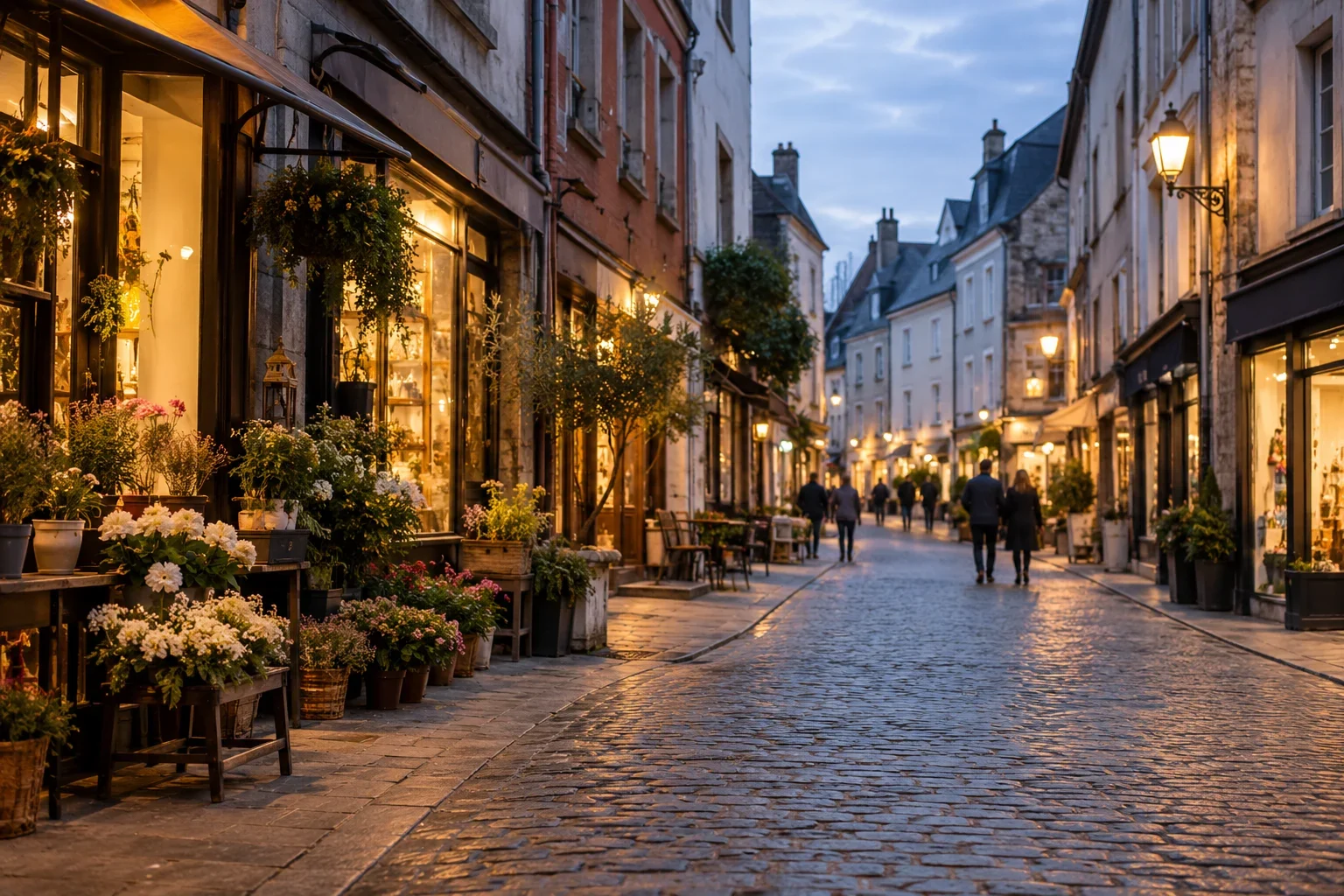
Start with a late-afternoon arrival and plan to stay into early evening, then adjust that window around sunset in Hangzhou and the confirmed schedules of your essential stops. This gives you a starting point for combining daylight browsing with an evening outing. An after-dark arrival can also work if the shopping and food experiences you want remain available.
The deciding factor is your least flexible stop. An essential shop, a particular food vendor or a planned meal may need a protected place in the evening. Set that commitment first, choose how much daylight you want beforehand, and leave the remaining time for browsing and food stops that can move.
Choose an arrival window around sunset and priority shops
Match the arrival to the experience you want
Look up sunset in Hangzhou for your travel date. Then decide whether daylight browsing is a priority, a welcome extra or unnecessary for your plans. Use that preference alongside the earliest closing time among your essential shops; sunset alone cannot tell you when to arrive.
Arriving before dusk suits a visit in which shopping leads into an evening meal or snacks. Give yourself enough time to reach the first shop and browse without treating its closing time as an arrival target. If that purchase needs to happen before your preferred sunset window, move the outing earlier.
An after-dark start suits visitors who are comfortable giving up daylight browsing. Choose it only when the remaining business hours accommodate the stops you care about. A shorter evening may feel sufficient if you want one purchase and a meal; a longer shopping list needs more room.
Hefang Street lies at the foot of Wushan Mountain. Use the address of your first intended business when planning your journey, rather than treating arrival in the surrounding area as arrival at the shop.
Your arrival window should answer two questions: What would you like to do before sunset, and what must you finish before the first essential shop closes? If those answers conflict, let the essential stop determine the earlier start.
Adjust for seasonal comfort and holiday crowds
Plan for walking and waiting
Hangzhou summers are hot and humid. For a summer visit, consider how much continuous walking and standing you will find comfortable. Check the forecast for the hours you expect to be out; a later arrival does not by itself establish comfortable conditions.
Carry drinking water and decide whether you want a seated break during the outing. If a break is important, investigate a suitable place before departure. Keep its location in mind when choosing how much browsing to attempt between food stops.
For other seasons, use the date-specific forecast rather than assuming that a season guarantees pleasant weather. Rain, temperature and your own tolerance should influence the length of the visit. Think about waiting as well as walking: a food queue may be less appealing when you are already uncomfortable.
Compare holiday dates using current information
If your visit overlaps a major holiday, look for current crowd information and date-specific business announcements. The holiday label alone does not establish how congested your particular evening will be.
Where reports indicate substantial congestion, reduce the number of essential stops and allow more room between them. Walking, browsing and waiting for food all draw from the same evening. If your dates are flexible, compare forecasts and available crowd information before choosing, rather than assuming one weekday or season will always be preferable.
Decide whether shopping or eating comes first
Give the narrowest opportunity first place
Once you have the schedules, compare the stops by how easily they can move. An essential shop with an earlier finish points toward shopping first. A chosen vendor whose service window ends sooner may justify food first. A restaurant booking, if you make one, becomes another fixed commitment.
| Sequence | Best fit | Main decision |
|---|---|---|
| Shopping, then snacks | The essential purchase has the earliest deadline | Can you comfortably wait to eat? |
| A snack, then shopping | You arrive hungry but still need browsing time | Will a brief food stop leave enough shopping time? |
| Shopping, then a seated meal | Purchases and dinner are both priorities | Have you allowed room to browse and reach the meal? |
| A meal, then browsing | Eating is the main purpose of the outing | Are the remaining shopping opportunities sufficient? |
Consider appetite alongside the timetable. If you expect to arrive very hungry, planning an extended shopping session first may be uncomfortable. A small food stop could make sense, provided it fits before the purchase you need to make. Decide whether you want a taste or a meal before you join a queue.
For a group, agree on the purchase and food experience that matter most to everyone. Put those into the sequence explicitly. This makes casual browsing easier to manage without turning every interesting stop into another commitment.
Turn snack ideas into practical food stops
A snack idea becomes useful when you know what you want from the stop: a quick taste, something substantial to eat or a chance to rest. Choose that purpose before choosing how much of the evening to give it.
Compare a tasting stop with a longer break
For a brief tasting, ask about the portion and price before ordering. Consider any later meal, especially if several people want to try different things. Agree whether the group wants one shared pause or separate food choices before settling into a queue.
A seated meal needs its own place in the plan. Work out whether it is the evening’s main food experience or a practical dinner around shopping. If you mainly need somewhere to sit, verify seating and availability rather than assuming a snack vendor will provide a suitable break.
A tea break may suit a pause without committing to a full meal, provided the establishment you choose offers what you need. Ask about the menu and seating arrangements when these affect your decision.
Ask questions that a food name cannot answer
For allergies or dietary requirements, ask directly about ingredients and preparation. Do not infer suitability from a product name or appearance. If the answer is unclear, choose another option that meets your needs.
Before waiting, decide how much shopping or rest you are willing to trade for that particular food. A sought-after taste may deserve patience; an ordinary hunger break may be easier to replace.
Check the hours that determine the evening
Gather the schedule details in one place before choosing the final sequence. Seek information for the actual visit date, including any holiday changes. General information about Hefang Street does not establish the operating hours of an individual business.
| Stop | What to ask | What the answer resolves |
|---|---|---|
| Essential shop | What are the opening and closing times on your date? | When browsing and the purchase need to happen |
| Chosen food vendor | When does food service begin and end? | Whether the stop fits before or after shopping |
| Vendor selling a particular item | Is that item expected during your intended visit? | Whether the food you want is a realistic plan |
| Restaurant | What arrival time is suitable, and when is last order? | Whether your intended meal fits |
| Teahouse | What are the service hours and last-order arrangements? | Whether the planned break is available |
Confirm closing time separately from last order. When asking about a meal, explain when you expect to arrive and ask whether there is sufficient time to order and eat. For shopping, allow time to examine the item and make a decision before the business closes.
Keep each answer beside the business name, address and date it applies to. This avoids confusing a general schedule with a holiday arrangement or mixing up two possible food stops.
If an important detail remains unresolved, record the uncertainty plainly. Avoid building the rest of the evening around an opening window you have only assumed.
Keep a flexible version of the route
Choose what to keep and what to drop
Build a core outing around the purchase and food experience you would most regret missing. Check their locations before deciding the order of movement between them. Add optional browsing around those commitments, then choose which extra stop you would drop first if time becomes tight.
Keep a simple alternative for each likely interruption:
- An essential shop is closed: decide whether the food plan still makes the outing worthwhile, then move to the next useful stop.
- A food queue becomes too long: continue to the essential purchase or use another food option you have checked.
- Weather makes walking uncomfortable: shorten browsing and take the planned break if available.
- A meal takes longer than expected: remove optional stops before rushing the remaining purchase.
These alternatives need not become a second detailed itinerary. One clear next step is usually more useful than a long list of possibilities. If you change the order, check the next destination and whether it still fits before setting off.
For a group, make sure everyone knows the first stop and the agreed point at which to shorten the outing. Once the essential purchase and food experience are complete, use comfort, appetite and interest to decide whether more browsing is worthwhile. Finishing there is a valid version of the plan.
References
Need help planning your trip?
Tell us about your travel plans and send an inquiry.